About the Founder
My Roadmap to ABA Breakdown
A BCBA, a late diagnosis, and a mission to make behavioral science accessible to everyone who needs it — not just the people with credentials.
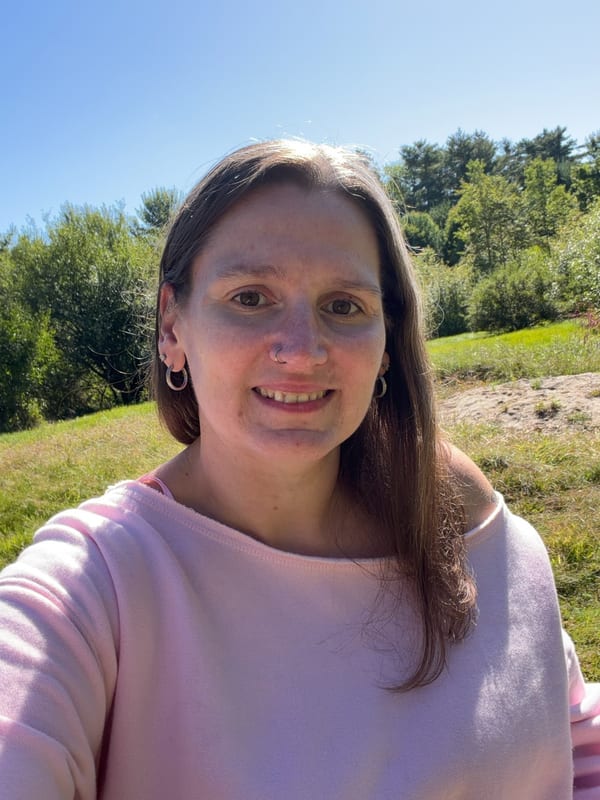
Felicia Burgess, MS, BCBA, LABA
Founder, ABA Breakdown
MS, BCBA, LABA
Board Certified Behavior Analyst · Licensed Applied Behavior Analyst (Massachusetts) Master of Science in Applied Behavior Analysis
5+ yrs
in Applied Behavior Analysis
Plain
Language, every time
1
Science for everyone
My Story
The journey that built this platform.
The Story Behind the Science
Hi, I'm Felicia Burgess, a Board Certified Behavior Analyst (BCBA) with a Master of Science in Applied Behavior Analysis. But long before I had the credentials, the degree, or the clinical title, I was just trying to survive a world that wasn't built for my brain. As an adult, I received a late-in-life neurodivergent diagnosis. Suddenly, a lifetime of invisible hurdles made perfect sense. For decades, I had been navigating life with absolutely no roadmap — constantly trying to manage executive dysfunction, sensory overload, and social masking without the appropriate tools to help me navigate the chaos.
When I Almost Gave Up
While studying to become a behavior analyst, I hit a massive wall. Traditional study methods simply weren't working for me. I found myself trapped in a frustrating cycle: forcing myself to read the same dry text repeatedly, failing to retain the information, and constantly blaming myself. I truly believed that if I just sat there longer or worked harder, it would click. I was on the verge of giving up on my entire career path when I had a realization that changed everything: I didn't lack effort. I lacked the right tools for the way my brain actually worked. Once I stopped fighting the way my brain works and started building study systems that fit it, everything changed. I didn't just pass my exams — I mastered the material on my own terms.
Why I Built ABA Breakdown
I built ABA Breakdown because I kept seeing the same gap. Behavior science is one of the most practical tools we have for understanding people, but it's usually locked behind jargon, paywalls, and clinic doors. Parents read treatment plans they can't follow. Teachers manage behavior without the tools that could help. Students preparing for certification feel the same overwhelm I did.
ABA isn't only for clinics. It's at work in classrooms, kitchens, offices, and in how each of us builds habits. ABA Breakdown translates that science into plain language, so anyone can understand it, use it, and see how interesting it really is. Free articles and tools are here for anyone, with in-depth guides for those who want to go further — all evidence-based and written for real people.
Who This Is For
If you've ever felt like behavioral science was written for someone else — someone with more time, more credentials, or a different kind of brain — this was made for you.
BCBA, BCaBA, and RBT candidates grinding through the task list. Parents trying to understand what's happening in their child's sessions and how to be part of the plan. Educators who want fewer disruptions and more learning — no credential required. And curious minds who don't work in ABA and don't have kids in ABA, but have noticed how much of life runs on habits, rewards, and routines — and want to understand why people (including themselves) do what they do, and how to use it on purpose.
The language is complex. Understanding it doesn't have to be.
What I Believe
The principles behind the writing.
Accuracy first
Every piece I write is grounded in the science. No pseudoscience, no oversimplification that distorts the research.
Clarity over jargon
Behavioral science has a complex language problem. I translate without dumbing down — because the people who need this information deserve to actually understand it.
Ethics in everything
All content adheres to the BACB Ethics Code. I don't write content that could harm the people it's meant to serve.
Neurodiversity-affirming
ABA has a complicated history. I write from a perspective that honors the science while centering the dignity and autonomy of the people it affects.
The science belongs to everyone.
Wherever you're starting from, you belong here. Begin with a free article, and come back as new guides arrive.